How to Choose a Healthy Himalayan or Persian Kitten
Questions to ask, paperwork to see, and the signs of a healthy, well-socialised kitten — plus the red flags that should make you walk away.
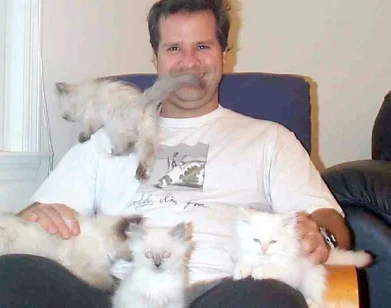 By Sean Donovan, Himalayan and Persian breeder in Waterford, VA since 1995
- Always visit, meet the parents and see the health paperwork.
- Ask specifically about PKD testing and feline leukemia status.
- A healthy kitten has clear eyes, a clean nose and ears, a soft coat and a curious, playful manner.
- Kittens should go home at eight to ten weeks with first shots and a vet bill of health.
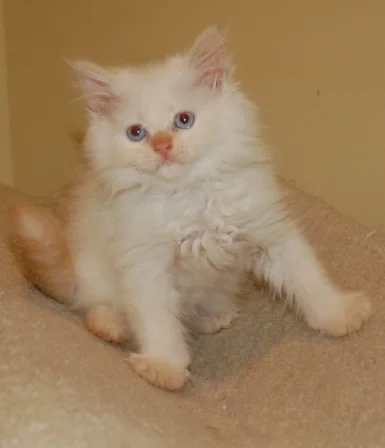
A Himalayan or Persian can be part of your family for well over a decade, so it is worth choosing carefully. This is the checklist we would use ourselves, after more than 31 years of raising both breeds.
1. Visit in person
We would rather you visit, sit on the floor and let a kitten choose you than pick one from a photograph. A good breeder will welcome a visit by appointment. Plan on half an hour or so, bring the whole family, and see how the kittens live.
2. Meet the parents
The parents tell you a lot about the temperament and health your kitten is likely to have. If the parents are calm, friendly and well kept, that is a good sign.
3. Ask about health testing
- PKD: polycystic kidney disease is inherited and a known risk in Persian-type breeds. Ask whether the kittens are PKD negative.
- Feline leukemia (FeLV): ask whether the colony is FeLV negative.
- Vet care: ask which vet the breeder works with and whether the kitten comes with a signed bill of health.
At Friendly Kittens our kittens are PKD negative, from a feline leukemia negative colony, guaranteed free of genetic defects, and checked by Blue Ridge Vets in Purcellville, VA.
4. Look for the signs of a healthy kitten
- Clear, bright eyes without thick or coloured discharge
- A clean nose and clean ears
- A soft, clean coat with no bald or scaly patches
- A clean bottom
- A good appetite and plenty of energy
- Curious and playful, happy to be picked up
5. Check how the kittens are raised
Kittens raised in the house, handled daily and used to ordinary family noise make confident, affectionate pets. Kittens raised in cages are often shy and frightened in a new home. Ask where the kittens sleep and how much time they spend with people.
6. Know the right go-home age
Most kittens are ready between eight and ten weeks old, once fully weaned and after their first set of shots and a wellness check. Be cautious of anyone offering younger kittens.
Red flags: signs of a kitten mill
- You are not allowed to visit or meet the parents
- Cats are kept in cages or crates
- No vet paperwork, or no mention of PKD
- Many different breeds for sale at the same time
- Kittens offered younger than eight weeks
- Pressure to pay before you have met the kitten
Questions to ask any breeder
- How long have you been breeding Himalayans or Persians?
- Are the kittens PKD negative? Is the colony FeLV negative?
- Which vet do you work with?
- What comes with the kitten?
- What happens if my circumstances change?
- Will you be available for questions after we take our kitten home?
You can read all of our answers in our FAQ, and see what a kitten costs.